 1500+ reviews

Your Solution: Pest Control Professional Near Me

Find pest control services & exterminators near you Find pest control services & exterminators near you with the help of professional exterminators. Whether you are dealing with ants, bed bugs, termites, or any other pests, it is essential to address the issue promptly and efficiently to prevent further damage to your property. By hiring a pest control professional near you, you can ensure that the infestation is properly handled using safe and effective methods tailored to your specific needs. Don’t let pests take over your home – contact an exterminator today for reliable and expert pest control services. When to hire a professional exterminator When facing a pest infestation that seems beyond your control, it’s time to hire a professional exterminator. While DIY methods can be effective for minor pest problems, larger infestations or recurring issues require the expertise of a trained exterminator. Professional exterminators have the knowledge, experience, and tools to effectively eliminate pests from your home or business. Don’t let pests take over – call a professional exterminator when you need reliable and long-lasting pest control solutions. Key Highlights Introduction Welcome to our blog on finding reliable pest control professionals near you. Dealing with a pest problem can be a frustrating and challenging experience, but with the right help, you can find a solution and regain control of your space. Whether you’re dealing with ants, termites, roaches, rodents, or spiders, professional pest control services can provide the expertise and experience needed to eliminate the infestation and prevent future problems. When it comes to choosing a pest control professional, it’s important to find someone who is not only knowledgeable and skilled but also local to your area. Local exterminators have a deep understanding of the specific pest issues that are common in your region, allowing them to provide targeted and effective treatments. They are also familiar with local regulations and can ensure that the pest control methods used are safe and environmentally friendly. In this blog, we will explore the key considerations when choosing a pest control professional, the services they offer for common household pests, the pricing models for pest control services, as well as tips for preparing your home for treatment. We will also discuss how to navigate pest control solutions, including the choice between DIY and professional services, innovative technologies and methods, and seasonal pest control tips. Additionally, we will explore the importance of building a long-term relationship with your pest control provider and how ongoing support and guarantees can contribute to a pest-free environment. Top Reliable Pest Control Professionals in Your Area When it comes to finding reliable pest control professionals near you, it’s important to choose a company that has a proven track record of delivering quality service. Look for local pest control companies that have been serving your area for several years. These companies have the experience and expertise to handle a wide range of pest problems effectively. Additionally, consider their customer service reputation. Reading reviews and testimonials from previous customers can give you valuable insights into the level of service you can expect. 1. Evaluating Local Pest Control Expertise When evaluating local pest control expertise, it’s important to consider the qualifications and experience of the pest management professionals. Look for companies that employ licensed and certified technicians who have undergone proper training and education in pest control. They should be knowledgeable about the latest pest control techniques and have experience in handling various pest problems. Additionally, consider the number of years the company has been in business. A company with a long history of providing pest control services is likely to have extensive experience and a proven track record of successfully eliminating pests. 2. Identifying Services for Common Household Pests Pest control professionals offer a range of services to address common household pests. For instance, if you’re dealing with an ant infestation, the exterminator will identify the ant species and develop a treatment plan to eliminate the colony. They will also provide recommendations to prevent future infestations. In the case of termites, professionals use specialized techniques such as baiting or liquid treatments to eliminate the entire termite colony. They will also conduct regular inspections to ensure ongoing protection. Roach infestations can be challenging to eliminate due to their rapid reproduction rate. Pest control professionals will use a combination of baits, sprays, and dusts to target roaches and their nesting areas, ensuring effective eradication. Rodents like mice and rats are not only a nuisance but also a health hazard. Pest control experts will identify entry points, set up traps, and implement exclusion methods to prevent future infestations. When it comes to spiders, pest control professionals will identify the species and provide targeted treatments. They may also recommend sealing cracks and crevices to prevent spiders from entering your home. 3. Understanding Pricing Models for Pest Control Services Pricing for pest control services can vary based on several factors, including the type of pest, the severity of the infestation, the size of the property, and the methods used for treatment. Most pest control companies offer a free estimate, where a technician will assess the situation and provide a detailed quote for the recommended services. Some companies may offer a one-time treatment option, while others may provide ongoing pest control services with regular inspections and treatments. The pricing models can include one-time fees, monthly or quarterly service contracts, or pay-as-you-go options. When comparing prices, it’s important to consider the value you are getting for your money. Look for companies that offer a competitive advantage, such as guarantees for their services or additional benefits like free re-treatments if the pest problem persists. 4. Recognizing Signs of a Trustworthy Pest Control Company To ensure that you are hiring a trustworthy pest control company, there are a few signs to look out for. First, check if the company Google Reviews, read the comments from past and current customers. Second, consider the company’s reputation in the industry. Look for local companies that can adjust treatment based on your home’s
Pest Control Close to Me: A Comprehensive Guide
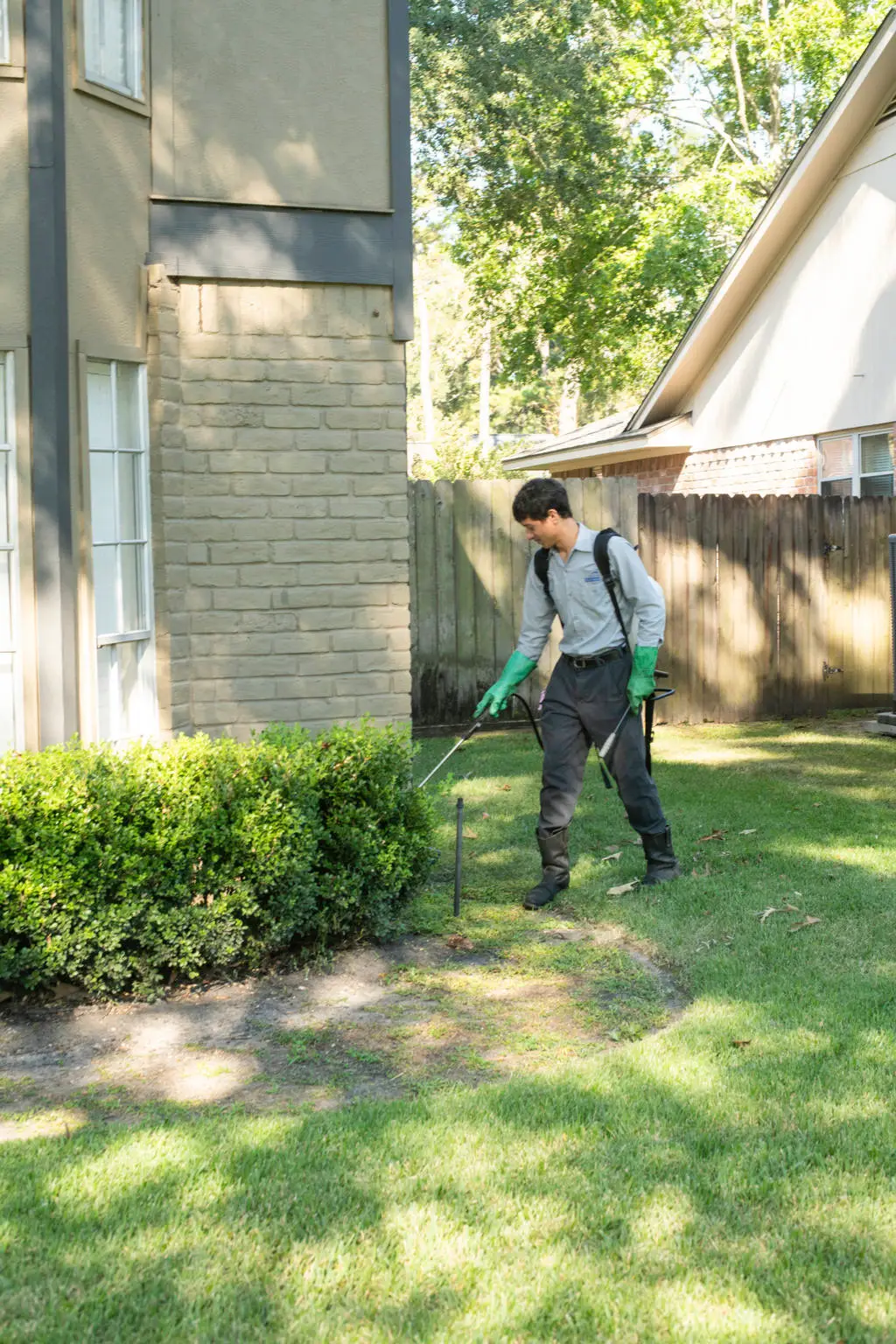
Key Highlights Introduction Pest infestations can be a major nuisance, causing damage to property, spreading diseases, and creating an unsanitary environment. Whether it’s ants invading your kitchen, rodents scurrying around your attic, or spiders taking up residence in your basement, pest control is essential in maintaining a clean and pest-free living space. When it comes to pest control, it’s best to leave it to the professionals. Local exterminators are trained and experienced in identifying, treating, and preventing pest infestations. They have access to effective pest control products and techniques that can eliminate pests and keep them from returning. In this comprehensive guide, we will delve into the world of pest control, covering everything from identifying common pests and evaluating local pest control companies to understanding different types of pest control treatments and the importance of eco-friendly solutions. Whether you’re a homeowner or a business owner, this guide will provide you with the information you need to make informed decisions about pest control and ensure a pest-free environment. We will also discuss the importance of hiring a reputable and licensed bug exterminator for effective and safe pest control solutions. Top Pest Control Service Companies: Why Reviews Matter When it comes to pest control, it’s important to choose a reputable and reliable pest control service near you. Here is a comprehensive list of top pest control services that provide professional and effective pest control solutions: By prioritizing reviews in your decision-making process, you can make a more informed choice when selecting a pest control service company that meets your expectations and provides effective solutions for your pest management needs. These pest control services have been highly rated by customers and provide a range of services to meet your pest control needs. Contact us for a consultation or to schedule an appointment. 1. Identifying the Most Common Pests in Your Area Identifying the pests that are common in your area is the first step in effective pest control. By knowing what types of pests you are dealing with, you can take the necessary steps to eliminate them and prevent future infestations. Rodents: Rats and mice are common household pests that can cause damage to your home and spread diseases. Signs of a rodent infestation include droppings, chewed objects and wires, and scampering noises in the walls or attic. Ants: Ants can be a nuisance, invading your kitchen and pantry in search of food. They leave behind trails of pheromones to lead other ants to the food source. Signs of an ant infestation include stray ants walking around or large numbers congregating, wood shavings, and ants emerging from hidden crevices. Other common pests to watch out for include raccoons, which can cause damage to your property and potentially carry diseases. Look out for signs such as trash and debris being moved around, loud sounds coming from your walls or floors, and your pets acting strangely. Spiders: Spiders are often found in dark and secluded areas of the home. While most spiders are harmless, some can be venomous and pose a threat. Signs of a spider infestation include spider webs, egg sacs, and actual sightings of spiders. Termites: In our area termites are not if you will have them, it is when you will have a termite problem. Having regular pest control services, and regular inspections will help reduce the chances of costly damage in your home or business. Find a pest control company close to you that is trustworthy to perform your inspection and be honest about results. 2. Evaluating Local Pest Control Companies for Reliability and Effectiveness When choosing a local pest control company, it is important to evaluate their reliability and effectiveness in managing pests. Here are some factors to consider: By thoroughly evaluating local pest control companies, you can choose one that will provide reliable and effective pest management services for your home or business. 3. Understanding the Different Types of Pest Control Treatments Available There are several types of pest control treatments available, each with its own advantages and disadvantages. Understanding these treatments can help you choose the most suitable option for your pest problem. Here are some common types of pest control treatments: When choosing a pest control treatment, consider the severity of the infestation, the type of pest, and your preferences for eco-friendly solutions. Consulting with a professional exterminator will help you determine the best treatment plan for your specific pest problem. 4. The Importance of Eco-Friendly Pest Control Solutions Using eco-friendly pest control solutions is not only beneficial for the environment but also for human health. Here are some reasons why eco-friendly pest control solutions are important: By choosing eco-friendly pest control solutions, you can effectively manage pests while minimizing the negative impact on the environment and promoting a healthier living environment for you and your family. 5. Tips for Preparing Your Home or Business for Pest Control Services Preparing your home or business for pest control services is essential to ensure the effectiveness of the treatment. Here are some tips to help you prepare: By following these tips, you can help the pest control services effectively eliminate pests from your home or business and prevent future infestations. Selecting the Right Pest Control Provider: Key Considerations Selecting the right pest control provider is crucial for effective pest management. Here are some key considerations to keep in mind: By considering these key factors, you can choose a reliable and effective pest control provider that meets your specific needs and budget. 1. Checking for Licenses and Certifications When selecting a pest control provider, it is essential to check for licenses and certifications. Here’s why: By choosing a licensed and certified pest control provider, you can have peace of mind knowing that you are working with a trained professional who will provide high-quality services. 2. Reading Reviews and Asking for References Reading reviews and asking for references is an important step in selecting a pest control provider. Here’s why it matters: By conducting thorough research, reading reviews, and asking
The Importance Of Regular Pest Inspections For Your Home
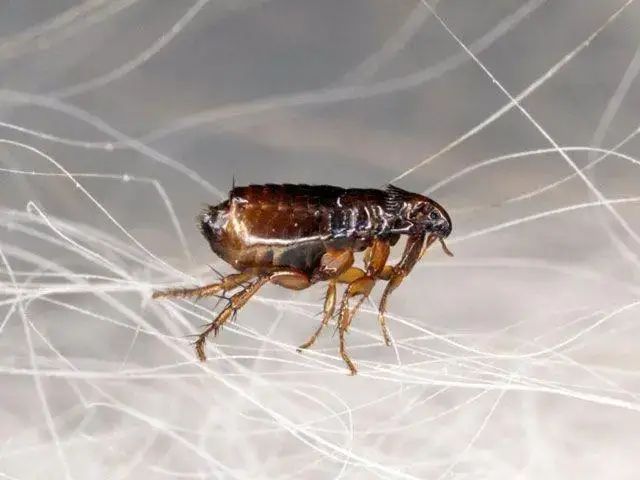
Your home is more than a physical structure; it’s a haven for you and your family. However, this refuge can be jeopardized by unwanted intruders that endanger your health, safety, and possessions. Regular pest inspections are required to provide a safe and healthy home environment. A complete pest control inspection can reveal hidden problems, avert large-scale infestations, and save you time, money, and peace of mind in the long term. The Risks Of Pest Infestations Health Hazards Pests such as rodents, cockroaches, and mosquitos can transmit hazardous diseases to humans. Regular inspections help identify and mitigate these health concerns, assuring the safety of your living environment. Property Damage Termite damage, carpenter insects, and other wood-destroying insects can do structural damage to your home. Early detection through annual inspections can save you money on repairs and keep your home’s value high. Allergens and Irritants Many pests degrade indoor air quality and can cause allergic responses, including asthma. A routine pest inspection aids in the identification and removal of allergy sources, resulting in a healthier home environment. Benefits Of Regular Pest Inspections Early Detection Regular inspections are essential for detecting the early indicators of pest infestation, which are often missed by the untrained eye. Early detection enables a quick response, preventing pests from establishing a solid presence and eliminating the need for extensive and costly management methods later on. Preventative Measures During a pest control examination, professionals can detect current infestations and situations that could lead to future ones. This early detection allows homeowners to take preventative steps, such as closing access sites or removing attractants, reducing the likelihood of repeat infestations and ensuring a healthy living space. Peace of Mind Regular pest inspections reassure residents that their living spaces are safe and pest-free. This peace of mind is vital, allowing families to unwind and enjoy their homes without fear of unseen pests inflicting harm or pain. Protecting Investment Homes are substantial financial investments; untreated insect infestations can cause extensive damage, reducing a home’s value and integrity. Regular pest inspections protect this investment by ensuring structural components, wiring, and other vital areas are protected from destructive pests, preserving the property’s value and security. How Often Should You Conduct Pest Inspections? Pest inspection frequency varies depending on several factors, including your home’s age, location, previous pest problems, and area pest concerns. Professional pest control inspections should generally be performed once a year. However, more frequent inspections may be required in locations with heavy pest activity or if you’ve already had infestations. Conclusion Maintaining a pest-free home is crucial for your family’s health and the integrity of your property. Regular pest inspections are paramount, and risks such as property damage, health hazards, and allergens are at stake. At Fullscope Pest Control, our experienced team is dedicated to providing thorough inspections and effective solutions tailored to your needs. Don’t let pests compromise your peace of mind – schedule your annual inspection with Fullscope Pest Control today and ensure a safe and comfortable living environment for you and your loved ones.
Office Pest Control: Creating a Productive and Healthy Work Environment for Employees

In today’s fast-paced corporate world, keeping a workplace clean and pest-free is more than simply a matter of appearance; it is critical for staff productivity and well-being. Office pests, whether insects, rodents, or even mold, can wreak havoc on morale, health, and the overall efficiency of operations. This blog will discuss the benefits of commercial pest control and how it contributes to a healthy and productive workplace. What’s The Impact of Office Pests? The impact of office pests is significant, affecting productivity, health, and property. Imagine starting your workday to find ants on your keyboard or cockroaches in the corners. These distractions divert attention from tasks, decreasing productivity. Pests also carry diseases and allergens, posing health risks to employees. Cockroach allergens trigger asthma, rodent droppings spread bacteria, and mold causes respiratory issues. Moreover, pests damage property by chewing wires or contaminating food, leading to costly repairs. Prompt action is essential for maintaining a safe and productive work environment. The Importance of Office Pest Control Implementing effective pest control measures is paramount, given the detrimental effects of office pests. Here’s why: Protecting Health Employers should always prioritize the health and safety of their employees. By proactively addressing pest issues, companies can minimize the risk of illnesses and allergic reactions among their workforce. Preserving Reputation A pest-infested workplace reflects poorly on the company’s image. Clients, partners, and prospective employees may question the organization’s professionalism and cleanliness standards. Keeping the place tidy and clear of pests is essential to maintaining a good name for yourself. Boosting Productivity A pest-free workplace fosters a conducive environment for productivity. Improved productivity and efficiency are the outcomes of a pest-free workplace where workers can give full attention to the tasks. Maintaining Property Value Pest infestations can cause damage to office buildings and equipment, leading to the depreciation of property value. Implementing pest control measures helps preserve the integrity of the workspace, ensuring that investments in infrastructure and assets remain protected. Compliance with Regulations Many jurisdictions have regulations in place regarding pest control in commercial spaces. Failure to comply with these standards may result in company penalties and legal implications. Proactive pest management activities show a dedication to conforming to regulatory standards, reducing the risks associated with noncompliance. Effective Pest Control Strategies Companies should implement comprehensive pest control strategies to ensure a pest-free work environment. Here are some key measures: Integrated Pest Management (IPM): Adopt an IPM approach that combines preventive measures, habitat modification, and targeted treatments to manage pest populations effectively while minimizing the use of pesticides. Conclusion For the sake of both employees’ health and the prosperity of the companies, Fullscope Pest Control knows how critical it is to keep commercial spaces free of pests. We can help create a workspace where employees can thrive by prioritizing pest prevention and implementing effective commercial pest control measures. Together, we can ensure that your office remains a clean, safe, and conducive environment for productivity and success.
Battling Bugs: Are Pest Control Services Worth the Buzz?
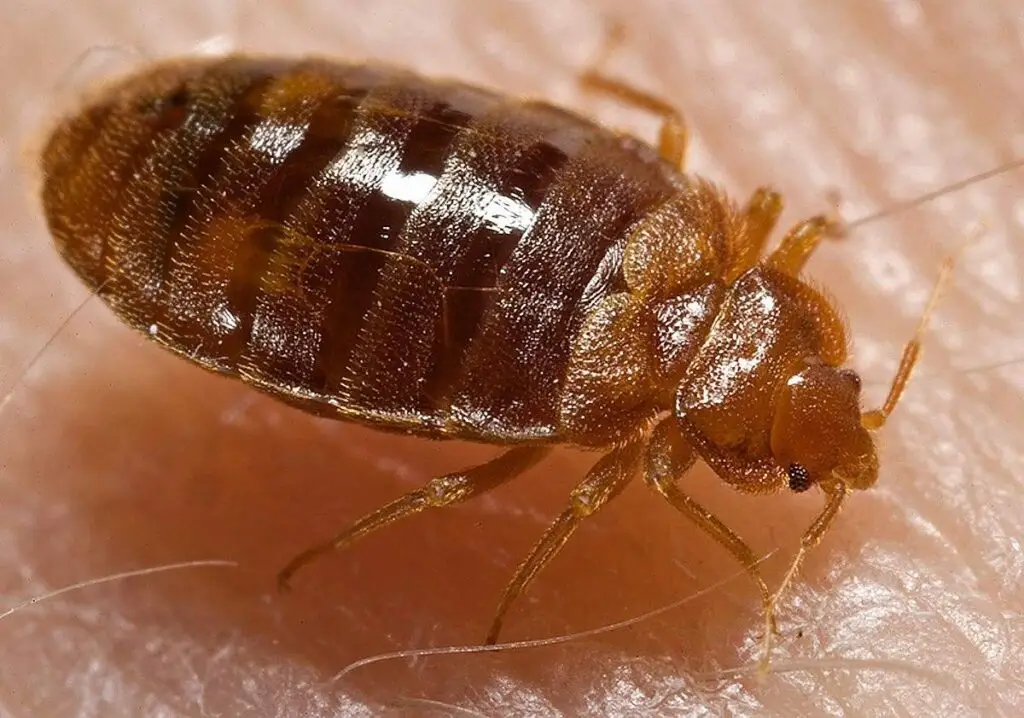
The sight of a scurrying spider, a trail of ants, or the telltale droppings of a rodent can send shivers down any homeowner’s spine. While DIY approaches are tempting, the effectiveness of pest control services remains a burning question. Let’s delve into the pros and cons to help you decide if professional help is worth the sting. The Case for Calling in the Pros: The DIY Dilemma: Deciding Factor: Weighing the Costs: The cost of professional pest control services can be a deterrent, but consider it an investment in your peace of mind, health, and potentially, the value of your property. Compare the cost of service with the potential damage caused by unchecked infestations, the cost of ineffective DIY attempts, and the value of your time and well-being. Remember: Not all pest control companies are created equal. FullScope is a licensed & insured professional pest control provider with an exceptional reputation, we offer transparent pricing, and a commitment to safe and effective practices. With the right approach, professional pest control can be the winning move in your battle against unwanted houseguests. Ultimately, the decision hinges on the severity of the infestation, your budget, and your comfort level. Weigh the pros and cons carefully to choose the solution that best protects your home and your peace of mind.
Pest Control for Fire Ants
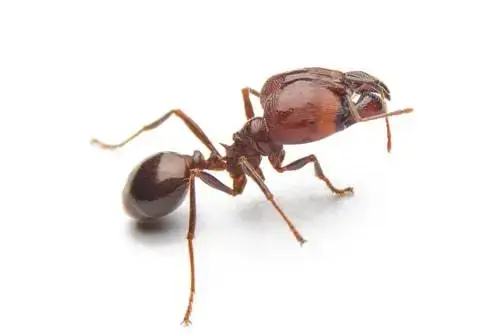
Imagine stepping out into your backyard on a sunny day, ready to enjoy some quality time outdoors, only to be greeted by a painful swarm of red ants. These are not just any ants; they are fire ants, known for their aggressive behavior and painful stings. Turning a peaceful afternoon into an ordeal, these pests make fire ant control a homeowner’s top priority. In this blog, we’ll delve into fire ants, their habits, and how to manage them effectively. What Are Fire Ants Fire ants are small but dangerous pests that can cause property damage and painful stings. To effectively manage them, it’s essential to understand their behavior, identification, and stinging ability. Identification The most common species in the United States is the red imported fire ant, measuring 1/8 to 1/4 inch long, with a reddish-brown to reddish-black color and a two-segmented waist. Behavior Fire ants live in colonies with thousands to hundreds of thousands of ants, building characteristic mounds in sunny areas like lawns. These mounds serve as entrances to their underground nests. Stinging Ability Fire ants aggressively defend their nests, delivering painful stings that can lead to itchy, pus-filled blisters for humans. Severe allergies may result in life-threatening reactions. Effective Pest Control Strategies Let’s explore some proven methods and strategies to control and eliminate fire ants effectively. Prevention is Key The best way to deal with fire ants is to prevent infestations in the first place. Regularly inspect your property for ant mounds and eliminate them when you spot them. Keep your lawn well-maintained and remove debris and food sources that might attract these pests. Chemical Treatments There are various chemical treatments available for fire ant control. These include baits, dust, and liquid insecticides. Baits destroy the queen and colony when worker ants carry them back to the nest. When utilizing chemical treatments, carefully follow the label directions and consider seeking expert assistance for heavy infestations. Natural Remedies Some homeowners prefer to use natural remedies to control fire ants. These can include pouring boiling water into the mound or spreading diatomaceous earth (a natural insecticide) around the nest. While these methods may be less harmful to the environment, they may not be as effective as chemical treatments. Biological Control In some cases, introducing natural predators of fire ants, such as certain species of phorid flies or nematodes, can help control their populations. However, this method may require careful consideration and expert guidance to avoid unintended consequences. Professional Pest Control For severe infestations or unsure about the best approach, it’s wise to consult a professional pest control service. They have the expertise, tools, and resources to effectively eliminate fire ants while minimizing risks to your family and the environment. Conclusion Dealing with fire ants can be a challenging task. Still, with the right knowledge and strategies, you can protect your home and family from these troublesome pests. If you find yourself facing a severe infestation or are unsure about the best course of action, don’t hesitate to reach out to Fullscope Pest Control. Our experienced professionals are here to provide expert assistance, ensuring your peace of mind and a pest-free environment. Don’t let fire ants ruin your outdoor enjoyment – contact Fullscope Pest Control today, and let us help you reclaim your backyard paradise.
What Homeowners Should Know About Springtails

Key Highlights Springtails are tiny, wingless insects often found in moist environments. Seeking professional pest control help is advisable for persistent springtail problems. Springtails are tiny bugs that you may have never heard of before. But, if you’ve seen them in your home, you know the damage they can cause. Here’s what homeowners should know about springtails and how to keep them out of your home. Introduction Springtails are small, quick insects that many people confuse with fleas. They are usually not harmful, but when there are large numbers of them, they can become a nuisance for homeowners. This guide will help you understand springtails better. It will show you how to identify and manage springtail infestations using good pest control methods and preventive actions. What Are Springtails? Springtails are tiny bugs that measure only a few millimeters long. They are usually white or gray but can also be brown or black. They have pretty long antennae. These bugs get their name from the forked tail-like appendage on the back of their body that is used for jumping. Though small in size, these bugs can cause big problems in your home if not addressed quickly. What Causes Springtail Infestations? Springtail infestations occur when moisture levels are too high inside your home. The excess moisture creates a damp environment in which springtails thrive. These tiny pests also feed on decaying organic matter, so any area with an abundance of dead leaves or other organic debris will become attractive to them as well. Recommended Read: What You Should Know About Occasional Invaders How to Keep Springtails Out of Your Home? The best way to keep springtails out is to reduce moisture levels inside your home. Make sure all areas are well ventilated and that any water leaks are promptly fixed. You should also periodically inspect areas where organic matter may accumulate such as behind furniture, around windows and door frames, and at the base of walls for signs of springtail activity which includes frass (tiny piles of feces) and silken threads (webbing). Preventing springtail infestations is about keeping your home dry and removing things that draw these water-loving bugs. This way, you can avoid big infestations and have a healthier home. Simple actions can help a lot. Fixing leaks, making sure there is good airflow, and lowering humidity will keep springtails away. If you keep doing these steps, you will lower the chances of getting an infestation and stay protected for a long time. If you do find evidence of an infestation, contact a professional pest control company for assistance in eradicating it quickly and safely. Tips for Moisture Control and Mold Prevention Controlling moisture is very important to stop springtail infestations. Begin by quickly fixing any water leaks from plumbing, roofs, or windows. Keeping basements and crawl spaces dry is key. Dampness in these areas can provide a great home for springtails. Make sure your home has good ventilation. Use exhaust fans in kitchens and bathrooms, and open windows to let in fresh air. You might also want to use dehumidifiers if you live in a humid area or one that easily gets moisture. Also, pay attention to any signs of mold. Mold loves moist places and is a food source for springtails. Clean up mold quickly and fix any moisture issues. This will help to remove both mold and springtails effectively. Landscaping and Outdoor Maintenance to Deter Springtails Effective landscaping and outdoor maintenance contribute significantly to preventing springtail infestations. Implement these practices to deter these insects from entering your home: Action Benefit Extend downspouts away from the foundation. Prevents water from pooling near the house. Trim vegetation and shrubs away from the house. Improves air circulation and reduces moisture buildup. Use a moderate amount of mulch in landscaping. Excessive mulch retains moisture, attracting springtails. Furthermore, avoid overwatering your lawn and garden, as this creates favorable conditions for springtails. Inspect your property regularly for drainage issues and address them promptly to prevent water accumulation near the foundation. Recommended Read: Earwigs in Your Porter Home Conclusion: Springtail infestations can be frustrating for homeowners but there is no need to panic; with proper preventative measures and quick action if needed, getting rid of these tiny pests is relatively easy. Keeping humidity levels low and cleaning up any decaying organic matter is key to preventing an infestation in the first place while timely intervention from a professional pest control service will help eradicate any existing problem quickly and efficiently. So don’t let those pesky little springtails take over – take control now! Frequently Asked Questions What Attracts Springtails to Homes? Springtails are drawn to homes that have moist soil. They also like organic materials, like decaying leaves and wood. Their favorite food is mold and mildew. Are springtails harmful to humans or pets? Springtails do not bite, spread diseases, or hurt people or pets. They are usually seen as a nuisance, but some people may have mild allergic reactions to them.
How to Get Rid of Orange Caterpillar With Black Spikes
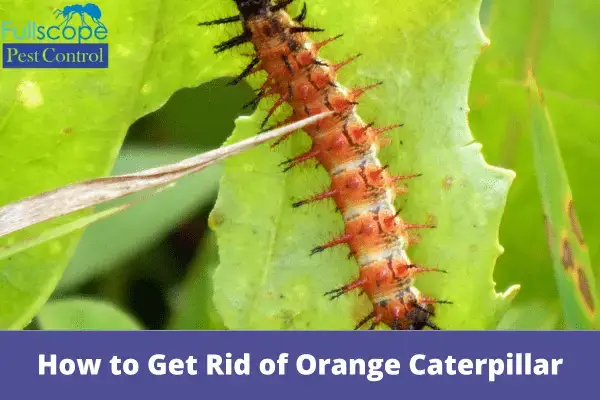
Finding a bright orange caterpillar with black spikes on your plants or yard can be alarming. If left unchecked, these caterpillars, sometimes known as wooly bears or tussock moth caterpillars, can cause damage to your plants. But there’s no need to panic. This blog post will review several practical strategies for removing these orange and black spiky caterpillars and protecting your prized vegetation. Identify the Caterpillars Before implementing any control measures, it is critical to correctly identify the caterpillars in question. Wooly bears or tussock moth caterpillars have orange bodies with black spikes. They feature noticeable black spines or fur tufts on their bodies and can be found on various plants and trees. Manual Removal Manual removal is one of the simplest and most environmentally friendly ways to eliminate orange caterpillars. Wear gloves to protect your hands, inspect your plants carefully, and handpick the caterpillars. Put them in a container with soapy water or dispose of them away from your garden. Caution is advised because some caterpillars can cause skin irritation or allergic responses. Must read about commercial pest control services in Cold Spring TX Natural Predators Encouragement of natural predators can aid in the control of the orange caterpillar population. Beneficial species that feed on caterpillars include ladybugs, lacewings, birds, and parasitic wasps. Plant native flowers, install bird feeders or birdhouses, and avoid using toxic chemicals to create a friendly environment for these predators. Neem Oil Spray Neem oil, obtained from the neem tree, is an organic and effective caterpillar control treatment. Spray neem oil directly on the afflicted plants after diluting it according to the product’s recommendations. The oil interferes with the caterpillar’s feeding and molting cycles, eventually killing them. To safeguard pollinators, apply neem oil under calm weather conditions and avoid spraying it on flowering flowers. Cultural Practices A healthy garden is essential for preventing caterpillar infestations. Inspect your plants regularly for evidence of damage or the appearance of caterpillars. Remove fallen leaves and debris, which can serve as a haven for caterpillars. To inhibit the spread of the infestation, prune and remove heavily affected plant sections. Professional Pest Control If you have a significant infestation of orange caterpillars and the treatments indicated above aren’t working, it may be time to call a professional pest control service. Professional exterminators have dealt with various pests, including caterpillars, and can give specialized treatments to efficiently eliminate the infestation. They can examine the problem, decide the best control techniques, and ensure safety for your plants and the surrounding environment. Must Read:WHERE DO BED BUGS HIDE DURING THE DAY What’s Next? We have a team of skilled experts at Fullscope Pest Control who specialize in dealing with various pest problems, including orange caterpillar infestations. Our experts will inspect your garden thoroughly, identifying the caterpillar species and the amount of infestation. We’ll customize a pest control plan to your needs using cutting-edge technology and environmentally friendly methods. Contact Fullscope Pest Control immediately to take the first step toward a caterpillar-free garden. Our friendly staff is ready to help you, providing quick and dependable solutions that can restore the beauty and vitality of your plants.
Are Black Spiky Caterpillars Poisonous?
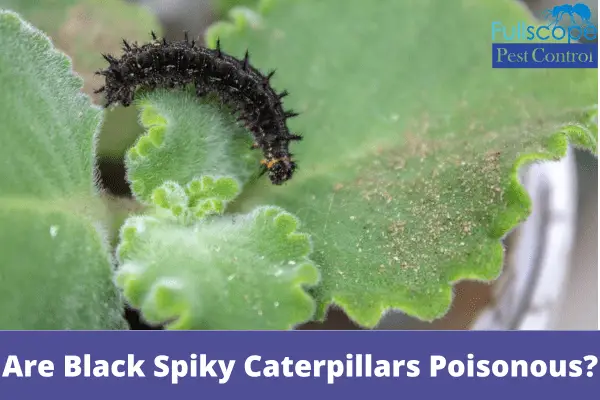
Caterpillars are fascinating organisms that catch our interest with their many shapes, colors, and patterns. The black spiky caterpillar is one form of caterpillar that attracts a lot of attention. Because of their unusual look, many people question if these fascinating creatures are poisonous and constitute a hazard to humans or other animals. In this blog, we will investigate the world of black spiky caterpillars, investigate their defense systems, and learn the truth about their toxicity. What Is the Meaning of Black Spiky Caterpillars? Black spiky caterpillars are a diverse group of insects that are distinguished by their dark coloring and sharp spines. These caterpillars can be found all over the world, living in a variety of environments such as forests, gardens, and grasslands. While the appearance of each species varies, they all have a black or dark brown body coated in numerous spines or bristles. Defense Mechanisms: Appearances Can Be Deceptive Black caterpillars’ spines serve as a defense mechanism against potential predators. These spines are not only scary visually, but they also serve a useful purpose. When disturbed, these caterpillars may exhibit aggressive behavior by raising up their front segments and appearing more significant and dangerous. Contrary to popular perception, black caterpillar spines are not usually venomous or toxic. Instead, they are physical deterrents, causing predators discomfort or irritation when touched. The spines are frequently linked to specialized cells that produce venomous compounds upon touch, discouraging predators from attacking. However, while these compounds may cause discomfort, they are generally not dangerous to people or large animals. Are There Any Black Spiky Caterpillars That Pose A Threat? While most black spiky caterpillars are harmless to humans, a few species can be dangerous. The caterpillar of the American dagger moth (Acronicta americana), for example, has black spines and can cause mild skin irritation or a rash if handled. Similarly, the black spines and white tufts of the hickory tussock moth caterpillar (Lophocampa caryae) may induce skin irritation or allergic reactions in some people. It is usually best to avoid direct contact with unfamiliar caterpillars, whatever their appearance, to safeguard human safety. If accidental contact occurs, wash the afflicted area with soap and water, and seek medical assistance if symptoms persist or worsen. What Role Do Black Spiky Caterpillars Play In The Ecosystem? Despite their frightening look, black spiky caterpillars are vital to the ecosystem. They are herbivores that eat leaves and help with the food cycle and energy transmission in their particular habitats. Furthermore, they provide a valuable food source for many predators, including birds, reptiles, and small mammals. Must Read:DOES BLEACH KILL WASPS INSTANTLY Conclusion We are captivated by black spiky caterpillars’ distinctive appearance and ecological value. While most are harmless, exercise caution. Fullscope Pest Control prioritizes ethical solutions and may assist in distinguishing between safe and possibly irritating species. We ensure the health of your property and the surrounding ecosystem with our knowledge. Let us work together to safeguard nature’s beauty while keeping the environment pest-free with our complete services.
How to Know if You Have Carpet Beetles
Carpet beetles, though tiny, are a significant threat to your home furnishings. These pests are notorious for loving natural fibers and can cause considerable damage if they go unnoticed. However, identifying the signs of carpet beetles in your house may be harder than finding an errant ant or spider. In this blog, we will discuss identifying if you have carpet beetles in your home. Let’s delve into the various indicators that can help you determine if carpet beetles have invaded your living space. What Are Carpet Beetles? Carpet beetles belong to the Dermestidae family, which includes over 2000 species worldwide. The variegated carpet beetle, furniture carpet beetle, and black carpet beetle are the most frequent types. As their names suggest, these beetles often dwell in carpets, rugs, and upholstered furniture. They are drawn to natural fibers, particularly wool, silk, fur, and feathers. Carpet beetle larvae are the primary culprits when it comes to damage. They consume natural fibers and can leave behind a visible trail of destruction, including irregular holes in fabrics, while the adults are more interested in pollens and flower nectar. Identifying Carpet Beetles Knowing what carpet beetles and their larvae look like is crucial in identifying them. Adult Carpet Beetles Adult carpet beetles are small and round, measuring about 2-4mm long. Their coloration varies, depending on the species. For instance, varied carpet beetles are black with an irregular pattern of white, brown, and yellow scales on their back. In contrast, furniture carpet beetles are more uniformly colored, typically black or dark brown. Carpet Beetle Larvae The larvae are elongated and hairy. They are larger than the adults, reaching up to 5 mm in length. They are often carrot-shaped and brown or tan in color with dark heads. Understanding the Life Cycle of Carpet Beetles Understanding the life cycle of carpet beetles can help you better manage potential infestations. Carpet beetles undergo complete metamorphosis, passing through four stages: egg, larva, pupa, and adult. The Egg Stage Carpet beetles lay their eggs in dark, undisturbed areas often associated with a food source for the larvae. Depending on the conditions, a clutch of 100 eggs can hatch from a single female in anywhere from 10 to 20 days. The Larval Stage This is the most destructive stage. Depending on their environment, larvae feed on natural fibers and can continue for several months to even years. The Pupal Stage Once the larva is fully grown, it enters the pupal stage. This stage lasts 10-14 days, after which the adult beetle emerges. The Adult Stage Adult carpet beetles feed on plant-based foods, including pollen and nectar. They live between two weeks to a few months and seek light sources, explaining their presence near windows. Signs of Carpet Beetle Infestation Identifying a carpet beetle infestation relies on several key signs. Fabric Damage The most prominent sign of a carpet beetle infestation is damage to natural fiber items. You may notice irregular holes in your carpets, clothing, upholstered furniture, woolen blankets, or feather pillows. Shed Larvae Skins and Fecal Pellets As carpet beetle larvae grow, they molt and leave behind their shed skins. These skins look like tiny, hairy caterpillars and are often found near the infested items. The larvae also leave fecal pellets, which are small, round, and the same color as the infested fabric. Sightings of Adult Beetles While the adults do little damage, spotting them inside your home is a telltale of an infestation. As a result, they are often noticed near windows or other sources of artificial light. How to Deal with Carpet Beetle Infestations If you’ve identified a carpet beetle infestation in your home, immediate action is necessary to prevent further damage. Cleaning Carpet bugs can be eliminated with routine and thorough cleaning. Vacuuming can help remove larvae, adults, and eggs from carpets, rugs, and furniture. Professional Pest Control If the infestation is large or widespread, consider seeking professional help. Carpet beetle infestations require the knowledge and equipment of pest control services. Prevention is Better Than Cure The best defense against carpet beetles is proactive prevention. Regular Cleaning Regular cleaning of your home can go a long way in preventing a carpet beetle infestation. Vacuum your carpets, rugs, and furniture regularly, paying particular attention to hidden and hard-to-reach areas where beetles might lay eggs. Proper Storage Carpet beetles are drawn to natural fibers, so carefully preserving such goods when not in use is critical. This includes clothing, blankets, and other fabric items. Ensure they are clean before storing them in air-tight containers or garment bags. Inspect Second-hand Items If you purchase second-hand furniture or clothing, inspect them carefully before bringing them into your home. These items can sometimes harbor carpet beetles or their eggs. Must Read: FACTS ABOUT BIGHEADED ANTS Conclusion Understanding carpet beetles, their signs, and the potential damage they can cause is the first step toward protecting your home. Prevention through regular cleaning, proper storage of susceptible items, and early detection is key in controlling these pests. Despite their small size, their potential problems make carpet beetles a threat to be taken seriously. Remember, if the infestation is beyond your control, seeking professional pest control services is always an option. The sooner an infestation is addressed, the less damage these pests will cause. So, watch for carpet beetles and take swift action if you find them sharing your space! At Fullscope Pest Control, we understand the urgency and frustration of dealing with a carpet beetle infestation. Infestation of any kind can be dealt with quickly and easily by our highly trained experts, who have years of experience in the field and extensive knowledge and competence. If you have carpet beetles, we can help you get rid of them and prevent them from returning with a custom treatment plan. With our commitment to safety, reliability, and guaranteed satisfaction, you can trust Fullscope Pest Control to restore your home to a pest-free environment. Don’t let carpet beetles cause further damage – call us now for prompt and reliable