 1500+ reviews

10 Warning Signs of Termites Without Wings

Key Highlights Introduction Termites are one of the most destructive pests that can infest your home. While most people are familiar with the winged termites, known as termite swarmers, it’s important to note that these pests can also cause significant damage without wings. Termites without wings, also known as worker termites, are responsible for the majority of the damage caused by termite infestations. They work tirelessly, feeding on wood and creating tunnels and galleries within the structure of your home. Identifying the warning signs of termites without wings is crucial in detecting and addressing termite infestations early on. By recognizing these signs, you can take appropriate action and prevent further damage to your property. In this blog, we will discuss the top 10 warning signs of termites without wings and provide insights into understanding wingless termites, preventing termite infestations, professional termite treatment options, and repairing termite damage. It’s important to note that if you suspect a termite infestation, it’s best to consult with a professional pest control service. They have the expertise to accurately identify and treat termite infestations, ensuring the safety and structural integrity of your home. Now let’s dive into the warning signs of termites without wings and how to identify them. 10 Key Warning Signs of Termites Without Wings Termites can be sneaky and destructive pests, and it’s important to be vigilant in detecting the warning signs of a termite infestation. Here are the top 10 key warning signs of termites without wings: 1. Mud Tubes on Exterior Walls One of the most common signs of a termite infestation is the presence of mud tubes on exterior walls. Subterranean termites, which are the most common type of termites in the United States, build these tubes to protect themselves while they travel between their nest and a food source. These tubes are made of soil, wood particles, and saliva, and they serve as a shelter for the termites. If you notice mud tubes on your exterior walls, it’s a clear indication that termites are present and actively feeding on the wood in your home. It’s important to address this issue promptly to prevent further structural damage. 2. Hollow Sounding Wood Structures Another warning sign of a termite infestation is hollow-sounding wood structures. Termites feed on the cellulose in wood, hollowing it out from the inside. When you tap or knock on a wooden structure that is infested with termites, it may produce a hollow sound due to the tunnels and galleries created by the termites. This is a clear indication that the wood has been damaged by termites and needs to be addressed immediately. If left untreated, the structural integrity of the wood can be compromised, leading to costly repairs. 3. Frass: Termite Droppings Near Wood Surfaces Termite droppings, also known as frass, are another sign of a termite infestation. Drywood termites, a type of termite that does not require contact with soil, produce pellet-like droppings as they feed on wood. These droppings are usually small, elongated, and have a granular appearance. If you notice piles of frass near wooden surfaces, it’s a strong indication that termites are present and actively feeding on the wood. Removing the frass and addressing the termite infestation promptly is crucial to prevent further damage to your property. 4. Discolored or Drooping Drywall Discolored or drooping drywall can be a sign of both termite infestation and moisture issues. Termites require moisture to survive, and their presence can lead to excess moisture in the affected areas. This can cause the drywall to become discolored, swollen, or droop. If you notice any changes in the appearance or texture of your drywall, it’s important to investigate the cause. A termite infestation can cause significant damage to the structure of your home, and addressing it promptly is crucial to prevent further issues. 5. Peeling Paint That Resembles Water Damage Peeling paint that resembles water damage can be a sign of termite damage. Termites create moisture as they feed on wood, and this moisture can cause paint to bubble, peel, or appear discolored. If you notice peeling paint that resembles water damage, it’s important to investigate the cause. While it could be due to a water source, such as a leak, it could also be a sign of a termite infestation. Addressing the underlying issue, whether it’s a water source or termites, is crucial to prevent further damage to your home. 6. Wood That Crumbles Under Slight Pressure Wood that crumbles under slight pressure is a clear sign of termite damage. Termites feed on the cellulose in wood, weakening its structure and causing it to become brittle. If you notice that wood in your home crumbles easily or appears damaged, it’s likely that termites are present. Crumbling wood can be found in areas such as window frames, door frames, and wooden furniture. Addressing the termite infestation promptly is essential to prevent further damage and protect the structural integrity of your home. 7. Tight Fitting Doors and Hard-to-Open Windows Tight fitting doors and hard-to-open windows can be a sign of structural damage caused by termites. As termites feed on wooden structures, they can cause them to warp, swell, or become misshapen. This can result in doors and windows that no longer fit properly and are difficult to open or close. If you notice that your doors and windows are becoming increasingly difficult to operate, it’s important to investigate the cause. A termite infestation may be the underlying issue, and addressing it promptly is crucial to prevent further damage and ensure the security of your home. 8. Visible Mazes Within Walls or Furniture Visible mazes within walls or furniture are clear signs of termite damage. As termites create tunnels and galleries within wooden structures, they can leave behind visible mazes or patterns. These mazes may be visible in walls, furniture, or other wooden surfaces. If you notice these intricate patterns, it’s a strong indication that termites are present and actively feeding on the wood. Addressing the termite infestation promptly
Termite Treatment & Control | Termite Exterminator
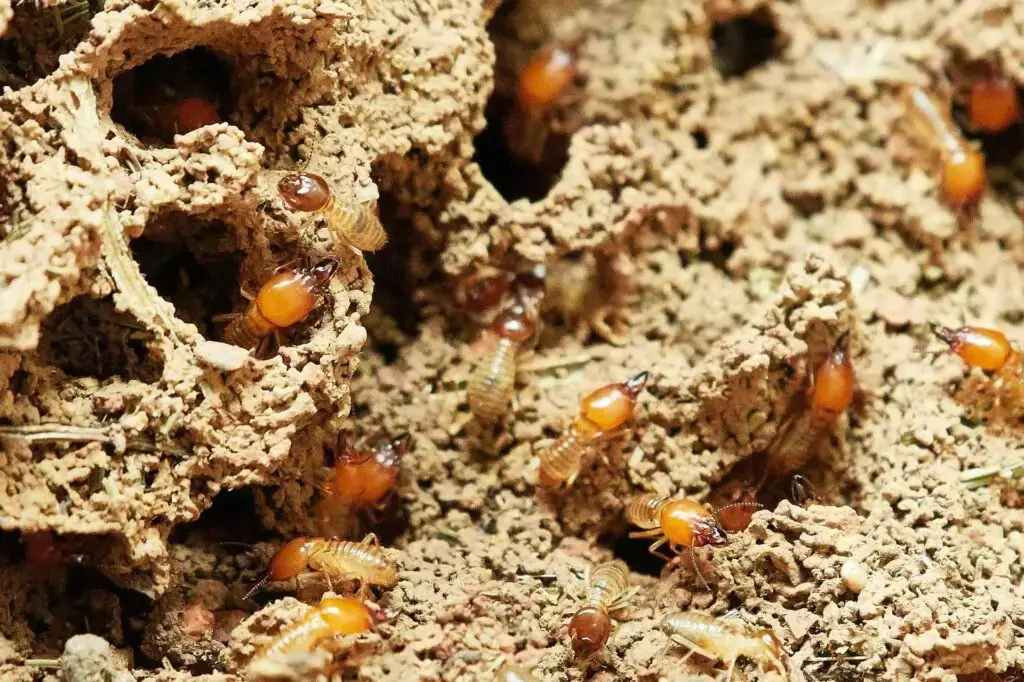
Key Highlights Introduction Termites are a homeowner’s worst nightmare. These tiny pests can cause significant damage to the structure of your home, leading to costly repairs and potential safety hazards. Understanding termite infestation, signs of their presence, and effective treatment options is crucial for every homeowner. In this blog, we will explore the key highlights of termite treatment and control, providing you with the information you need to protect your home from these destructive pests. Understanding Termite Infestation To effectively control termites, it is important to understand how they infest homes and their behavior. Termite infestation occurs when these insects establish colonies near or within wooden structures. They build mud tubes to travel between their nests and food sources, such as wood. There are different species of termites, including drywood and dampwood termites, each with their own preferences and habits. By understanding termite infestation and the species commonly found in your area, you can take the necessary steps to prevent and control their presence in your home. Common Signs of Termite Presence Identifying the signs of termite presence early on is essential for effective treatment and control. Here are some common signs to look out for: If you notice any of these signs, it is important to contact a professional termite exterminator for inspection and treatment. Different Types of Termites and Their Behaviors There are different types of termites, each with their own behaviors and preferences. Understanding these differences can help in identifying and treating termite infestations effectively. Drywood termites are commonly found in coastal regions and infest dry wood. They do not require contact with soil and can establish colonies within wooden structures. Dampwood termites, on the other hand, thrive in moist environments and are attracted to decaying or wet wood. They do not usually infest human structures unless there is significant moisture damage. Subterranean termites are the most destructive and widespread termite species. They build mud tubes to protect themselves from predators and maintain a humid environment. These termites require contact with soil for moisture and often establish extensive colonies underground. By understanding the behavior and preferences of different termite species, homeowners can implement targeted treatment and prevention strategies. Termite Inspection: The First Step to Control Termite inspection is the crucial first step in controlling a termite infestation. A professional termite exterminator will conduct a thorough inspection of your property to identify termite colonies, assess the extent of the infestation, and develop an effective pest control plan. During the inspection, the exterminator will look for signs of termite activity, such as mud tubes, termite damage, and discarded wings. They will also inspect areas prone to termite infestation, such as basements, crawl spaces, and attics. By identifying the source and extent of the termite problem, the exterminator can recommend the most appropriate treatment method for your specific situation. What to Expect During a Termite Inspection During a termite inspection, a professional exterminator will thoroughly evaluate your property for any signs of termite infestation. This process typically involves: How Often Should You Get Your Property Inspected? Routine termite inspections are essential for early detection and prevention of termite infestations. The frequency of inspections may depend on factors such as the location of your property, the age of the structure, and the presence of previous termite activity. In general, it is recommended to have a professional termite inspection at least once a year. However, in areas with high termite activity, more frequent inspections may be necessary. Additionally, if you have had previous termite activity or live in an area prone to termite infestations, more frequent inspections can help ensure early detection and timely treatment. Regular inspections can help identify potential termite problems before they cause significant damage, giving you peace of mind and saving you from costly repairs. Professional Termite Treatment Options When it comes to professional termite treatment, there are several options available. Each treatment option is designed to effectively eliminate termites and prevent future infestations. Liquid barrier treatments involve applying termiticide to the soil around the foundation of the home. This creates a chemical barrier that termites cannot cross, effectively protecting the structure. Bait systems work by placing termite baits near areas of termite activity. The termites consume the bait and take it back to the colony, eventually eliminating the entire colony. Fumigation is a more aggressive treatment option that involves tenting the entire structure and introducing a gas that kills termites. This treatment is typically used for severe infestations or when extensive damage has already occurred. Each treatment option has its advantages and disadvantages, and the best approach will depend on the specific circumstances of the infestation. Consulting with a professional termite exterminator is recommended to determine the most effective treatment plan for your home. Liquid Barrier Treatments and Their Effectiveness Liquid barrier treatments, also known as soil-applied termiticides, are a common and effective method for termite control. These treatments involve applying a liquid termiticide to the soil around the foundation of the home, creating a chemical barrier that termites cannot cross. The termites come into contact with the treated soil as they forage for food, and the termiticide eliminates them. The barrier also prevents termites from accessing the structure, providing long-term protection against infestations. The effectiveness of liquid barrier treatments depends on several factors, including the type of termiticide used, the application method, and the thoroughness of the treatment. It is important to hire a professional termite exterminator for this type of treatment to ensure proper application and maximize effectiveness. While liquid barrier treatments can provide effective termite control, they are not foolproof. Regular inspections and maintenance are still necessary to monitor for any signs of termite activity and address potential issues promptly. Physical barriers, such as steel mesh or sands, can also be used in conjunction with liquid barrier treatments to further enhance protection against termites. Bait Systems: How They Work Bait systems are another popular method of professional termite treatment. These systems work by placing termite baits near areas of termite activity. The baits